Contactors
54 products in Contactors
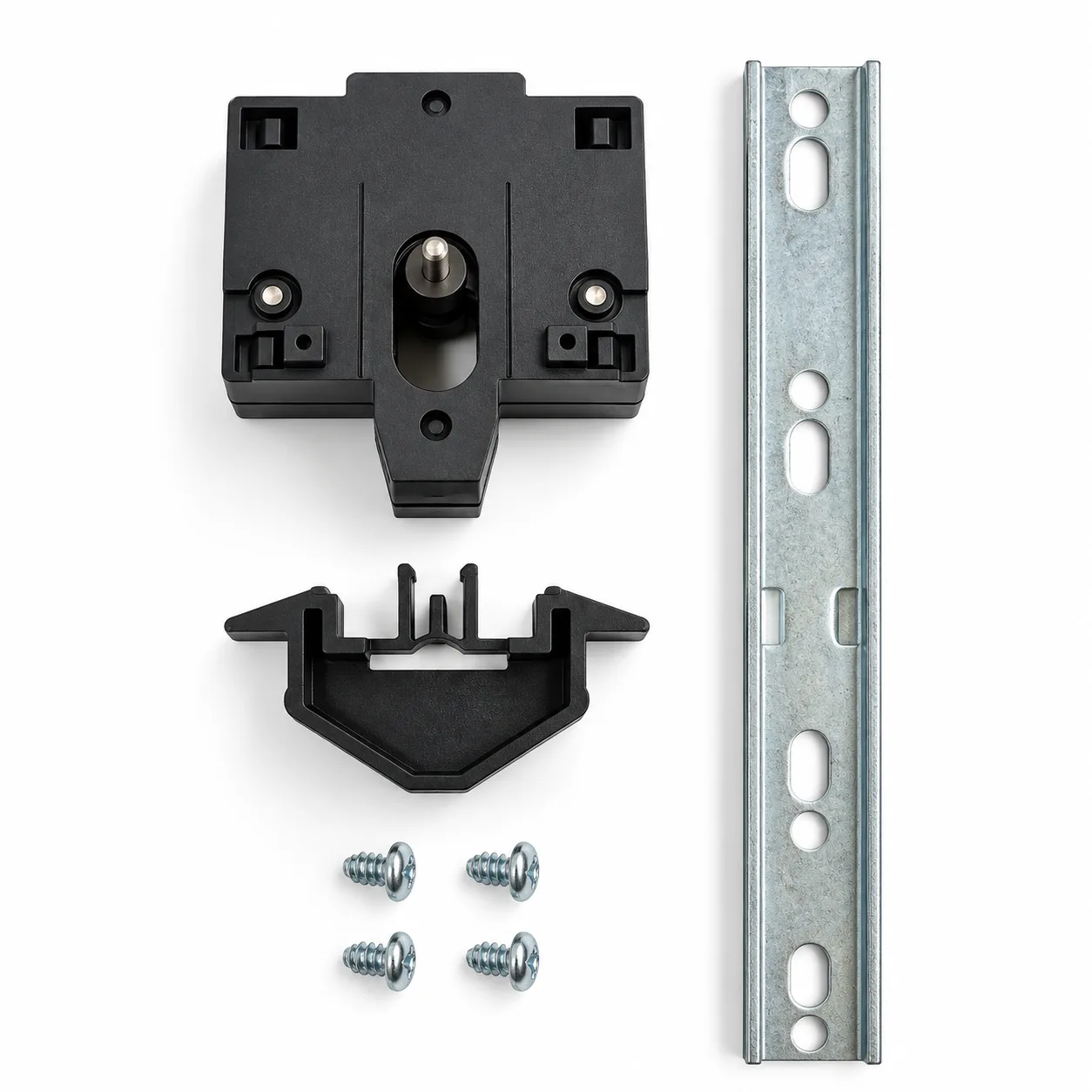
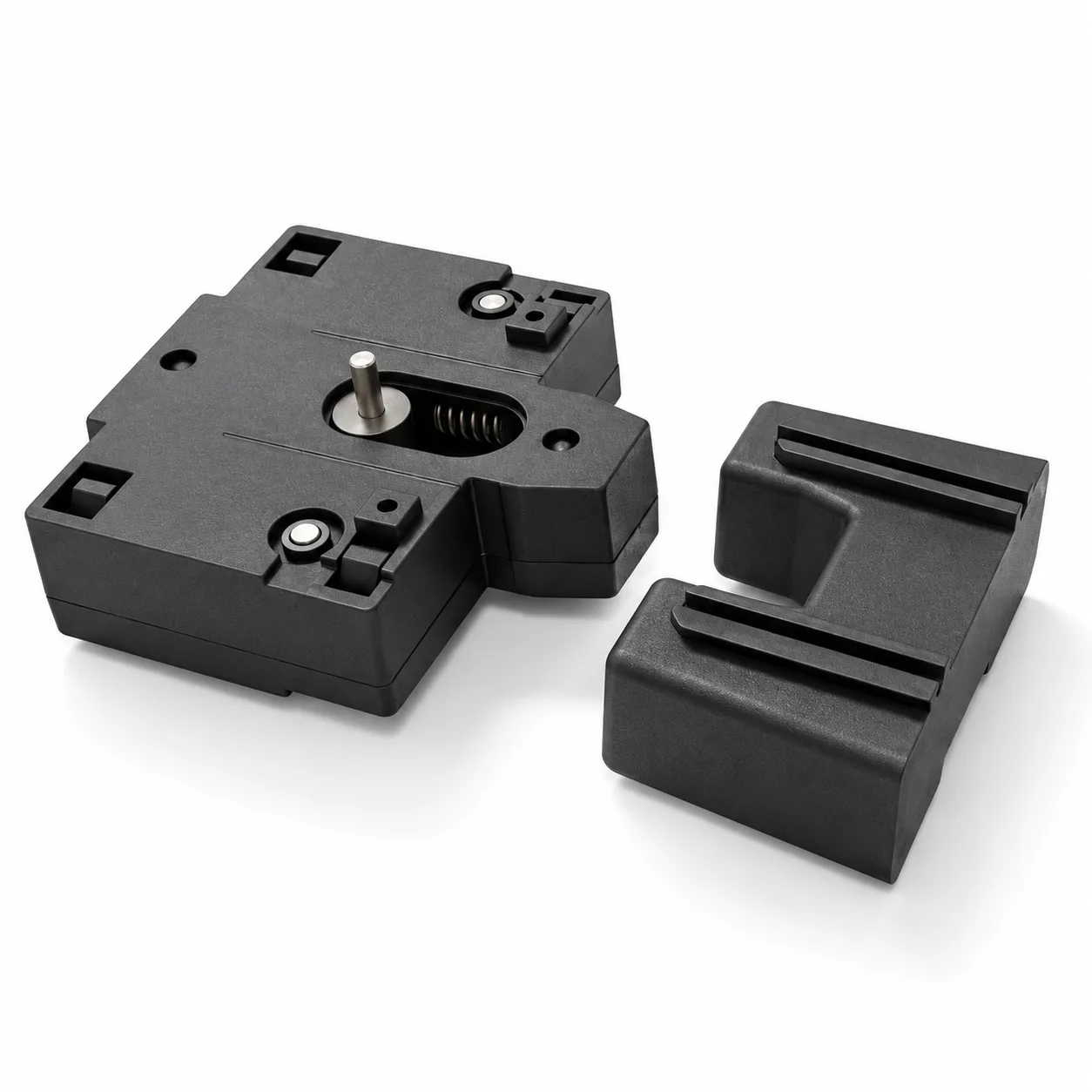
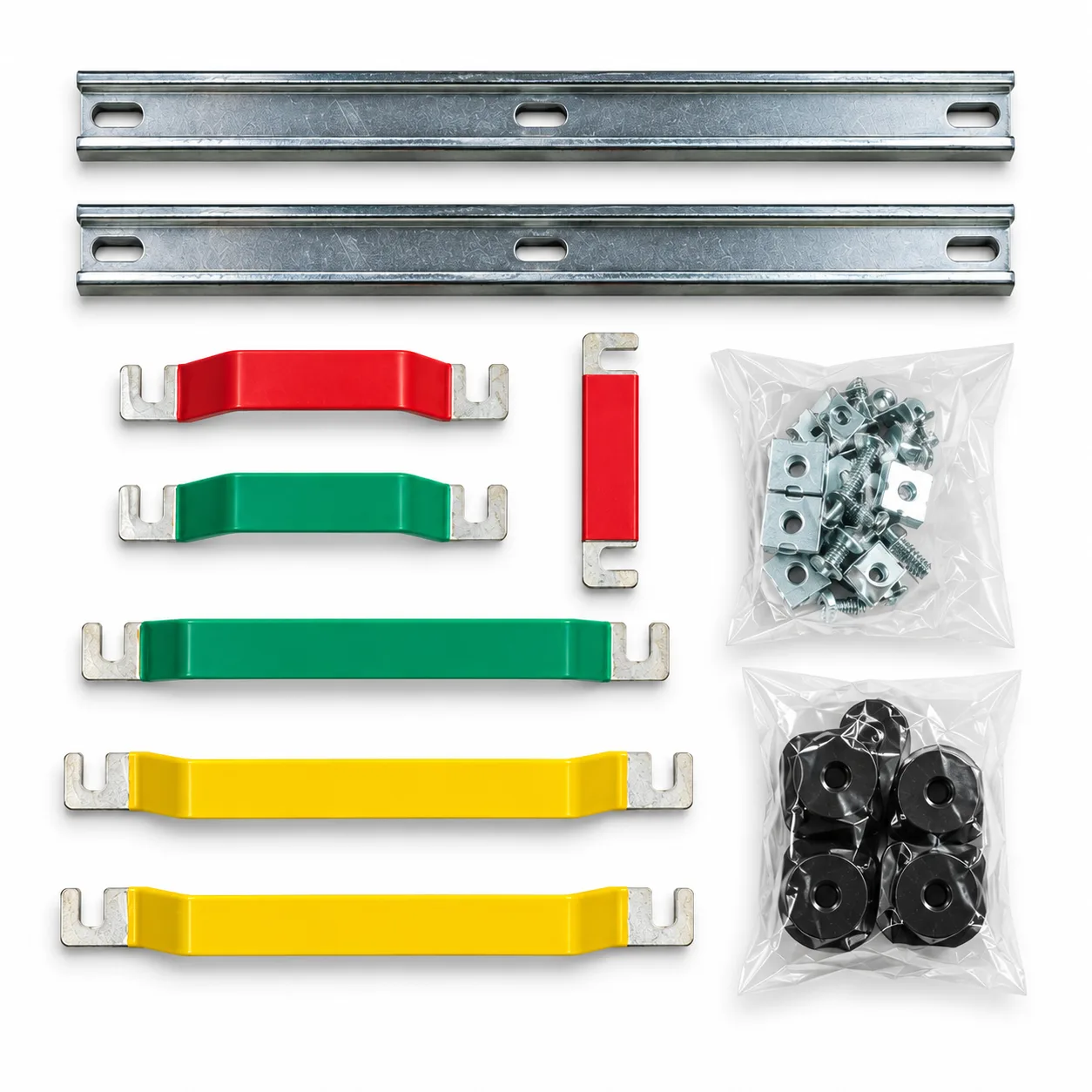
About Contactors
Electric Contactor for Command, Motors and Industrial Automation
The Electric Contactor Kayama is an electromechanical device developed for the activation, command and control of electrical loads, widely used in industrial, commercial installations, automation systems and electrical panels.
Its main function is to allow the connection and disconnection of higher-power electrical equipment by means of a low-power control circuit. Therefore, the industrial contactor is one of the main components used in the control of electric motors, pumps, compressors, fans, refrigeration systems, lighting, resistances, machines and industrial equipment.
How does an Electric Contactor work?
The operation of the contactor occurs through an electromagnetic coil.
When the coil receives the specified control voltage, it creates a magnetic field responsible for actuating the internal contacts of the device. The main contacts close or open the power circuit, allowing control of the electrical supply to the connected load.
When the coil is de-energized, the mechanism returns to its original position.
This mode of operation enables frequent actuations and allows integrating the contactor with different command and automation components.
What is a Contactor Used For?
The electric contactor is used whenever there is a need to control electrical loads via manual or automatic commands.
Its main applications include:
- Activation of electric motors;
- Starting and stopping of motors;
- Control of water pumps;
- Compressors;
- Ventilation and exhaust systems;
- Refrigeration systems;
- Industrial machines and equipment;
- Lighting systems;
- Electrical resistance banks;
- Control panels;
- Electrical panels;
- Industrial automation systems;
- Process control systems.
The contactor can also be used in more complex circuits, such as direct motor starting, motor reversing, star-delta starting and systems with electrical or mechanical interlocking.
Contactor for Electric Motor
One of the most common applications is the use of the electric motor contactor.
In this type of installation, the device receives the signal from pushbuttons, relays, sensors, timers, controllers or PLCs and actuates the motor power supply.
In three-phase systems, the three-phase contactor allows simultaneous command of the phases responsible for motor power supply, facilitating the automation of equipment start and stop.
To obtain a proper control and protection system, the contactor can work together with circuit breakers, fuses, thermal overload relays and other electrical protection devices.
Contactor for Industrial Automation
In industrial automation, contactors are fundamental components for controlling loads based on signals sent by different devices.
They can be integrated with:
- PLCs;
- Auxiliary relays;
- Timer relays;
- Thermal relays;
- Sensors;
- Pushbuttons;
- Selector switches;
- Controllers;
- Supervision systems;
- Automation equipment.
This integration allows developing automatic actuation, sequencing, interlocking and control systems for machines and processes.
Contactor does not replace protection devices
The contactor is mainly a command and switching device.
Its function should not be confused with that of equipment responsible for circuit protection.
For protection against conditions such as short circuit, overcurrent or overload, suitable devices such as circuit breakers, fuses and thermal relays must be used, according to the installation characteristics.
In motor circuits, for example, it is common to use a combination formed by:
Circuit Breaker + Contactor + Thermal Relay
This configuration combines protection, command and control functions for the electric motor.
Advantages of Using Contactors
The use of contactors in electrical installations offers several advantages:
- Control of high-power loads;
- Remote actuation of equipment;
- Possibility of automation;
- Frequent on/off operations;
- Integration with protection devices;
- Integration with PLCs and automated systems;
- Assembly of interlocking circuits;
- Ease of constructing electrical panels;
- Control of electric motors;
- Greater organization of control systems.
How to Choose a Contactor?
To correctly select a contactor, it is important to analyze the electrical characteristics of the application.
The main factors are:
- Nominal current of the contactor;
- Motor or load power;
- Supply voltage;
- Coil voltage;
- Number of poles;
- Electrical network frequency;
- Load type;
- Utilization category;
- Quantity and configuration of auxiliary contacts;
- Operating frequency.
Proper sizing contributes to adequate system performance and greater operational reliability.
Three-Pole and Four-Pole Contactors
Contactors can have different pole configurations according to the application.
The three-pole contactor is widely used in three-phase circuits, mainly for the actuation and control of electric motors.
The four-pole contactor has four poles and can be used in applications requiring the switching of four conductors, according to the electrical circuit characteristics.
The appropriate configuration should always be chosen considering the project and the installation requirements.
Kayama Contactors
The Kayama offers solutions for electrical command, electrical protection and automation systems, serving industrial, commercial and infrastructure applications.
The Kayama Contactors can be applied in electrical panels, machines, pumping systems, motors, industrial equipment and different automation projects.
To select the most suitable model, always check the product's technical specifications, mainly nominal current, coil voltage, number of poles, compatible power and utilization category.
Kayama – solutions in command, protection and automation for professional electrical applications.
Get to know Kayama Electric Contactors for motors, panels and industrial automation. Solutions for load command, machines and electrical systems.
Keywords: contactor, electric contactor, industrial contactor, motor contactor, electric motor contactor, three-phase contactor, three-pole contactor, four-pole contactor, magnetic contactor, contactor for automation, contactor for electrical panel, contactor for electrical command, power contactor, Kayama contactor, electric contactors, industrial automation, electrical command, motor actuation, electric motor starting, electrical panel components.